Kostenlose & schnelle Lieferung ab €39,95
 ENGLISH
 DUTCH
DUTCH FRENCH

Dosa & Dosa Batter Guide (EU Fermentation + Crispiness Focus)

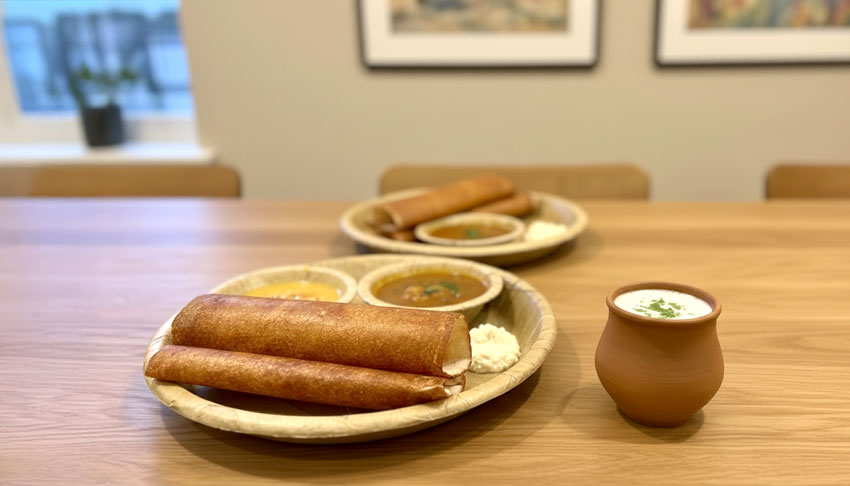
What Is Dosa?
Dosa is a fermented crepe made from rice and urad dal batter. It is traditionally associated with South India, particularly Tamil Nadu and Karnataka, though today it is widely prepared across the subcontinent and globally.
Historical Trivia
Food historians trace early references of dosa to ancient Tamil literature dating back over a thousand years. Originally prepared as a softer fermented dish, the thin crispy version became popular later as cooking techniques evolved. The word “dosai” appears in classical Tamil texts, suggesting deep regional roots.
Dosa Batter vs Idli Batter
The base ratio is similar to idli batter (3:1 rice to urad dal), but dosa batter is ground slightly smoother and thinned before cooking.
For a detailed understanding of fermentation and ratios, refer to our Idli & Batter Guide.
Crisp vs Soft Dosa – What Changes?
For Crispy Dosa
- Slightly thinner batter
- Well-heated cast iron or heavy pan
- Even circular spreading
- Minimal flipping
- Moderate oil application
For Soft Dosa
- Slightly thicker batter
- Lower flame
- Less spreading pressure
- Cover briefly while cooking
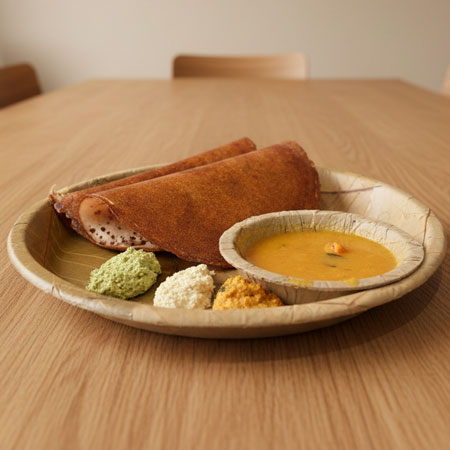
The Science Behind Crispiness
Crisp dosa forms when moisture evaporates quickly from the batter surface. A properly heated pan allows rapid steam release, creating a thin, golden crust. Batter consistency directly affects evaporation speed.
Fermentation in European Kitchens
As with idli batter, fermentation ideally occurs between 25–32°C. In colder climates:
- Use oven light method
- Allow extended fermentation time
- Avoid refrigerating too early
Common Dosa Problems
Dosa Sticks to Pan
Pan not seasoned or insufficiently heated before spreading.
Dosa Not Crispy
Batter too thick or pan temperature too low.
Dosa Breaks While Lifting
Insufficient fermentation or spreading too thin.
Millet Dosa – A Modern Variation
Millet-based dosa replaces part or all of the rice with grains such as ragi or foxtail millet. Fermentation principles remain similar, but batter texture and hydration may require adjustment.
A dedicated millet dosa guide will explore ratios and fermentation behaviour in detail.
Choosing the Right Rice
For traditional dosa, medium-grain rice or Idli Rice works best. Basmati is generally unsuitable due to its long-grain structure.
Frequently Asked Questions
Why is my dosa not crispy?
Usually due to thick batter or insufficient pan heat.
Can I use idli batter for dosa?
Yes, but thin it slightly with water before spreading.
How long should dosa batter ferment in Europe?
Between 8–14 hours depending on temperature.
Is dosa originally from Tamil Nadu?
Early literary references suggest origins in ancient Tamil regions, though regional variations developed over time.
Understanding Rice Differences
To compare rice varieties such as Sona Masoori, Ponni and Matta rice, refer to our Indian Rice Guide.
Über den Autor