 Gratis & snelle bezorging vanaf €39,95
 ENGLISH
 GERMAN
 FRENCH

Idli & Idli Batter Guide – How to Make Soft Idlies in European Kitchens

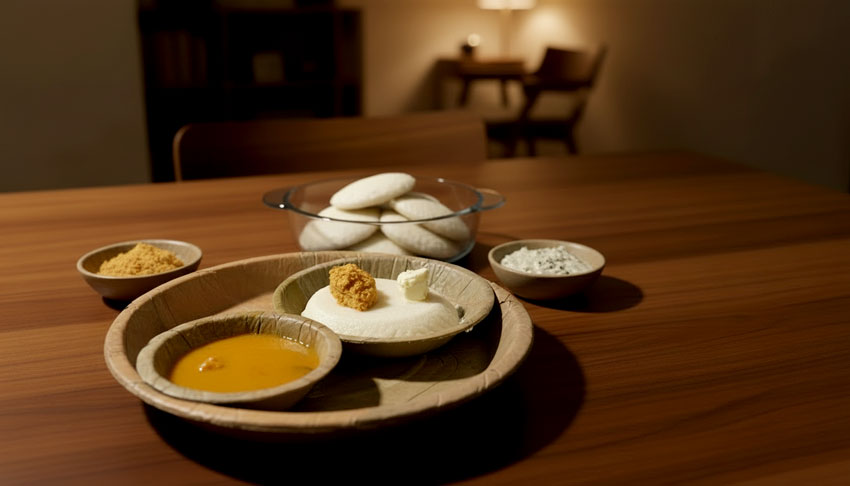
What Makes Idli Soft?
Soft idlies depend on correct rice selection, properly aerated urad dal and controlled fermentation. Idli batter must trap air during grinding and fermentation to produce a light, fluffy texture after steaming.
Choosing the Right Rice for Idli
Traditional idli uses parboiled medium-grain rice. For best results, use Idli Rice, which is processed specifically for fermentation. Basmati rice is not suitable as it produces dry and crumbly idlies.
The Ideal Idli Batter Ratio
- 3 cups idli rice
- 1 cup urad dal
- 1 teaspoon fenugreek seeds (optional)
- Salt added after fermentation
Printable Idli Batter Ratio Guide
| Preparation Type | Rice | Urad Dal | Notes |
|---|---|---|---|
| Standard Idli | 3 cups | 1 cup | Balanced softness & structure |
| Softer Idli | 2.5 cups | 1 cup | Higher aeration |
| Thatte Idli | 3 cups | 1 cup | Slightly thicker batter |
| Idli & Dosa Batter | 3 cups | 1 cup | Thin slightly for dosa use |
Step-by-Step Preparation
Step 1: Soaking
Wash rice and dal separately. Soak for 4–6 hours. In colder European climates, slightly warm water (not hot) may assist later fermentation.
Step 2: Grinding
Grind urad dal until fluffy and airy. Grind rice separately to a slightly coarse texture. Combine both and mix thoroughly by hand.
Step 3: Fermentation
Fermentation ideally occurs between 25–32°C. Natural bacteria convert sugars into gas, causing the batter to rise.
Fermentation Temperature Quick Reference
| Room Temperature | Fermentation Time | Recommendation |
|---|---|---|
| 30°C | 6–8 hours | Normal fermentation |
| 25°C | 8–10 hours | Ideal range |
| 20°C | 10–14 hours | Use oven light method |
| Below 18°C | 14+ hours | Wrap container & provide warmth |
How to Ferment Idli Batter in Cold European Weather
- Place batter in a switched-off oven with light on.
- Wrap container in a thick towel.
- Keep near (not on) a radiator.
- Allow 8–14 hours depending on temperature.
Signs of Proper Fermentation
- Batter volume increases
- Surface appears airy
- Mild sour aroma develops
Common Problems & Solutions
Idlies Are Dense
Urad dal not ground fluffy enough or fermentation incomplete.
Batter Did Not Rise
Temperature too low. Extend fermentation time.
Idlies Are Sticky
Rice ground too fine. Maintain slight grain texture.
Too Sour
Fermentation too long. Refrigerate once risen.
Steaming the Idlies
Grease moulds lightly. Steam 10–12 minutes. Allow to rest before removing.
Thatte Idli Variation
Use flat moulds and steam slightly longer (12–14 minutes) for thicker idlies.
Using Ready-Made Batter
Bring batter to room temperature before steaming. Stir gently to preserve aeration.
Frequently Asked Questions
Why are my idlies not soft?
Usually due to incomplete fermentation or insufficiently fluffy urad dal grinding.
Can I ferment idli batter in winter?
Yes. Use oven-light method or insulated wrapping.
How long does idli batter ferment in Europe?
Between 8 and 14 hours depending on temperature.
Can I use basmati rice for idli?
No. Basmati does not produce the correct texture.
What is the difference between idli and dosa batter?
The base ratio is similar, but dosa batter is thinned before cooking.
Understanding Rice Differences
For comparison with Sona Masoori, Ponni and Matta rice, refer to our Indian Rice Guide.
About the Author


